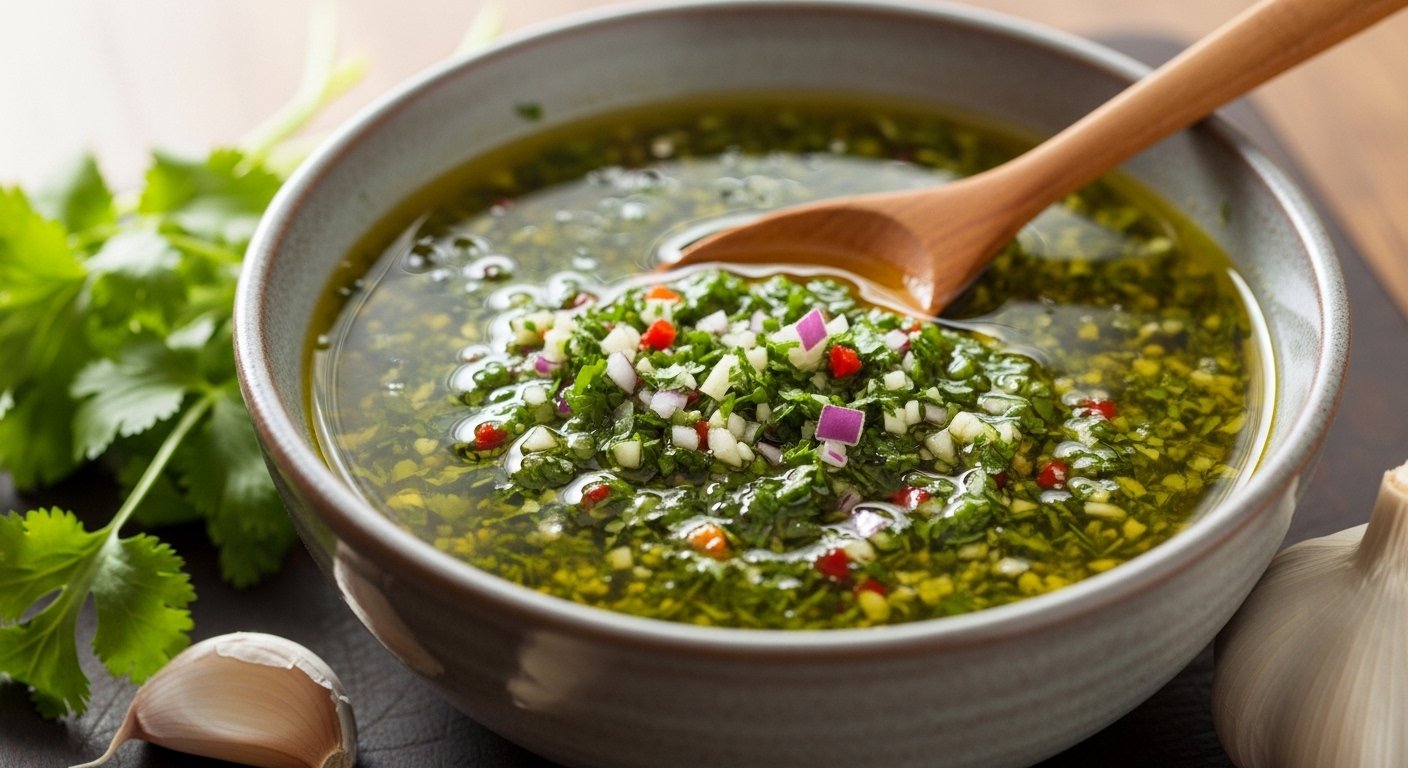
Cilantro chimichurri is one of those simple yet incredibly flavorful sauces that can instantly elevate almost any dish.
With its vibrant green color, fresh herb aroma, and bold, tangy taste, this sauce has become a favorite in kitchens around the world.
Whether you are grilling meat, roasting vegetables, or preparing a quick meal, adding a spoonful of this sauce can transform the entire experience.
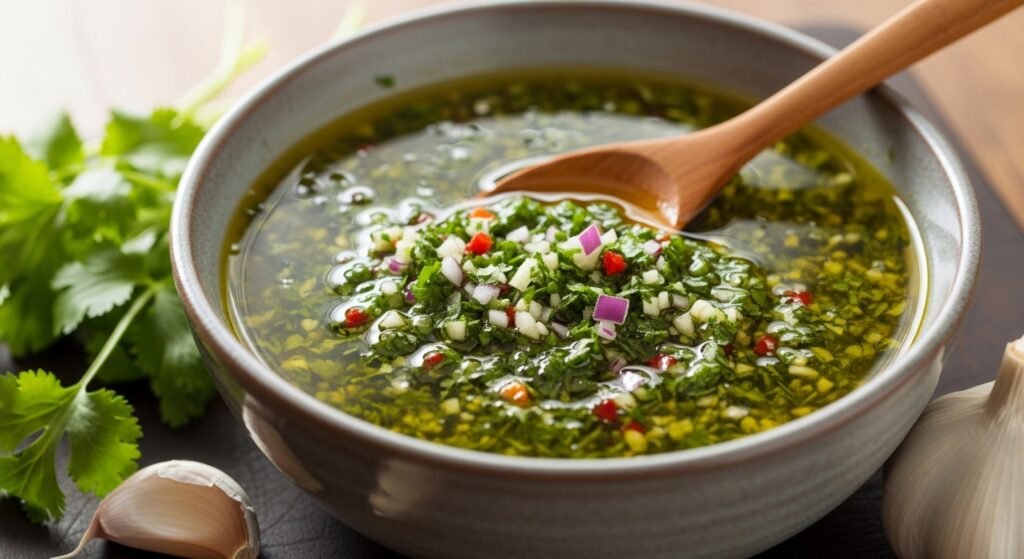
Recipe Overview
- Cuisine: Argentinian / Latin American
- Course: Sauce / Condiment
- Prep Time: 15 minutes
- Cook Time: 0 minutes
- Total Time: 45 minutes (including resting)
Unlike many cooked sauces, chimichurri is completely raw, which helps preserve the freshness and nutritional value of its ingredients.
This cilantro-based variation offers a brighter and slightly citrusy twist compared to the traditional version, making it especially appealing for those who enjoy fresh, zesty flavors.
If you are looking for a quick, versatile, and healthy condiment, this cilantro chimichurri recipe is a must-try.
What is Cilantro Chimichurri?
Cilantro chimichurri is a herb-based sauce made primarily from fresh cilantro, garlic, olive oil, vinegar, and seasonings. It is a modern variation of the classic chimichurri sauce, which traditionally uses parsley as its main herb.
This version stands out because of cilantro’s distinct flavor profile. Cilantro adds a refreshing, slightly citrusy taste that makes the sauce feel lighter and more vibrant.
The combination of herbs, oil, and acid creates a balanced condiment that enhances both simple and complex dishes.
Because it requires no cooking, it is also one of the easiest sauces to prepare at home.
Where Does Chimichurri Come From?
Chimichurri originates from Argentina and Uruguay, where it is widely used as a condiment for grilled meats.
It is deeply connected to the barbecue culture of these regions, where large cuts of meat are cooked over open flames and served with flavorful sauces.
Traditionally, chimichurri was made using parsley, garlic, olive oil, vinegar, and basic seasonings. Over time, different regions and cultures have adapted the recipe, introducing new herbs and ingredients.
The cilantro version is one such adaptation that has gained popularity due to its bold and refreshing taste.
Cilantro vs Traditional Chimichurri
The difference between cilantro chimichurri and traditional chimichurri mainly lies in the choice of herbs and overall flavor.
Traditional chimichurri:
- Uses parsley as the primary herb
- Has a more earthy and slightly bitter taste
- Feels more subtle and classic
Cilantro chimichurri:
- Uses cilantro or a mix of cilantro and parsley
- Offers a brighter, citrus-like flavor
- Feels fresher and more aromatic
Both versions share the same foundation of oil, vinegar, garlic, and spices, but the herb choice significantly changes the taste experience.
Why You’ll Love This Recipe
This cilantro chimichurri recipe is loved for its simplicity and versatility. It is perfect for both beginners and experienced cooks because it requires minimal effort but delivers maximum flavor.
Here are some reasons why this recipe stands out:
- It takes less than 15 minutes to prepare
- No cooking is required
- Uses easily available ingredients
- Can be customized to suit your taste
- Works with a wide range of dishes
Once you try it, it is likely to become a regular part of your meal preparation.
Ingredients
Below is a clear and organized ingredient table:
| Ingredient | Quantity | Description |
|---|---|---|
| Fresh cilantro | 2 cups | Leaves and tender stems |
| Garlic cloves | 3–4 cloves | Fresh and peeled |
| Olive oil | 1/2 to 1 cup | Extra virgin preferred |
| Vinegar | 2–3 tbsp | Red wine or rice vinegar |
| Red pepper flakes | 1–2 tsp | Optional heat |
| Oregano | 1–2 tsp | Dried or fresh |
| Onion or shallot | 1/4 cup | Finely chopped |
| Salt | To taste | Flavor enhancer |
| Black pepper | To taste | Mild spice |
| Lemon or lime juice | Optional | Adds freshness |
Key Ingredients Explained
Each ingredient plays an important role in building the final flavor.
Cilantro provides the fresh, herbal base. Garlic adds a sharp, savory punch. Olive oil brings richness and helps bind everything together. Vinegar introduces acidity, which balances the oil and enhances the herbs.
Red pepper flakes add a hint of heat, while oregano contributes an earthy undertone. Onion or shallot adds depth and complexity to the sauce.
Ingredient Substitutions and Variations
This recipe is flexible and allows for several substitutions:
- Replace cilantro with parsley for a traditional flavor
- Use lime juice instead of vinegar for a lighter taste
- Add chili peppers for extra heat
- Swap olive oil with avocado oil
- Use shallots instead of onions for a milder flavor
These variations allow you to tailor the recipe according to your preferences.
Equipment Needed
| Equipment | Purpose |
|---|---|
| Knife | Chopping herbs and vegetables |
| Cutting board | Safe preparation surface |
| Food processor or blender | Quick mixing |
| Mixing bowl | Combining ingredients |
| Spoon or whisk | Stirring |
| Airtight container | Storage |
How to Make Cilantro Chimichurri (Step-by-Step)
Making this sauce is straightforward and quick.
Step 1: Clean the Herbs
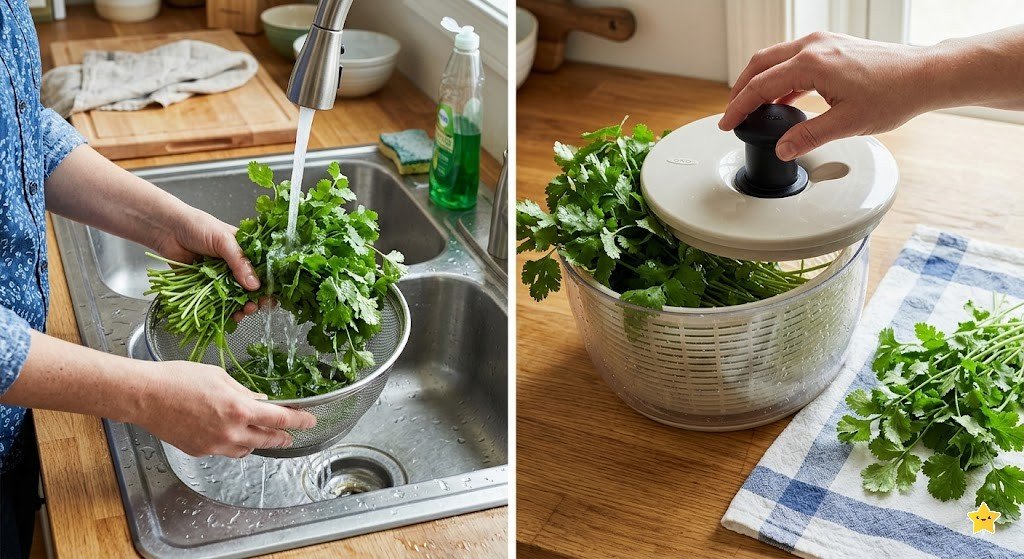
Wash the cilantro thoroughly and dry it completely to avoid excess water.
Step 2: Chop the Ingredients
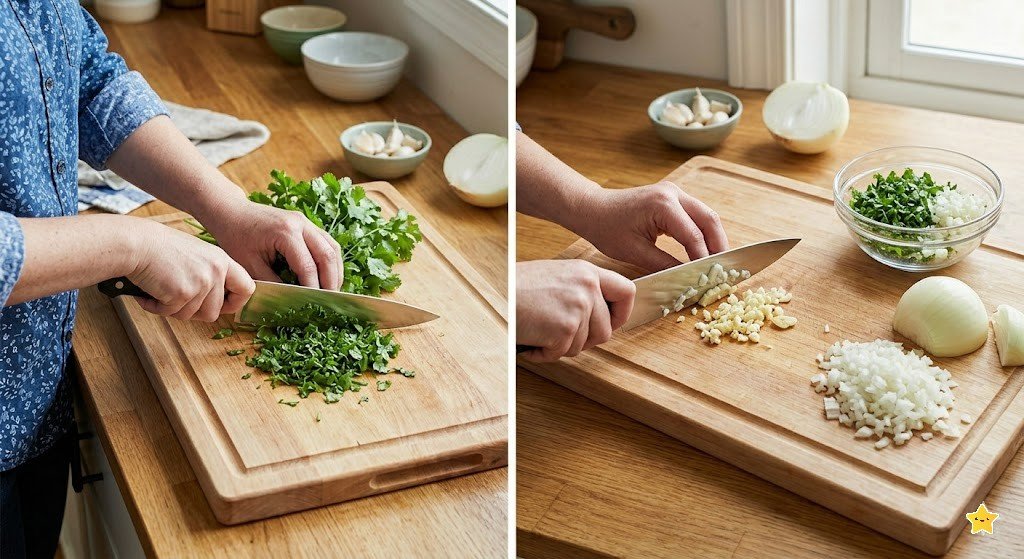
Finely chop the cilantro, garlic, and onion. Smaller pieces help create a balanced texture.
Step 3: Combine Dry Ingredients
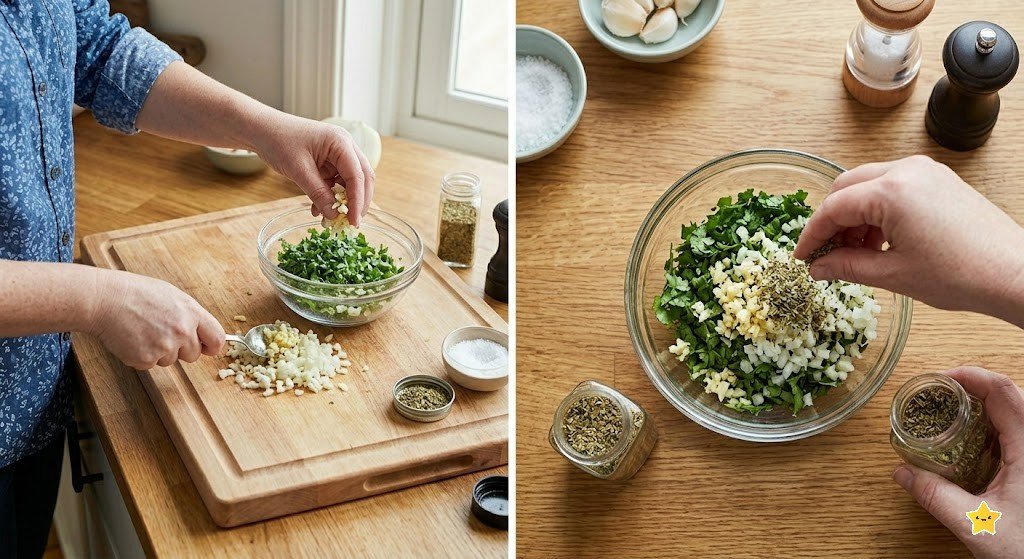
In a bowl or processor, add cilantro, garlic, onion, oregano, salt, and pepper.
Step 4: Add Liquid Ingredients
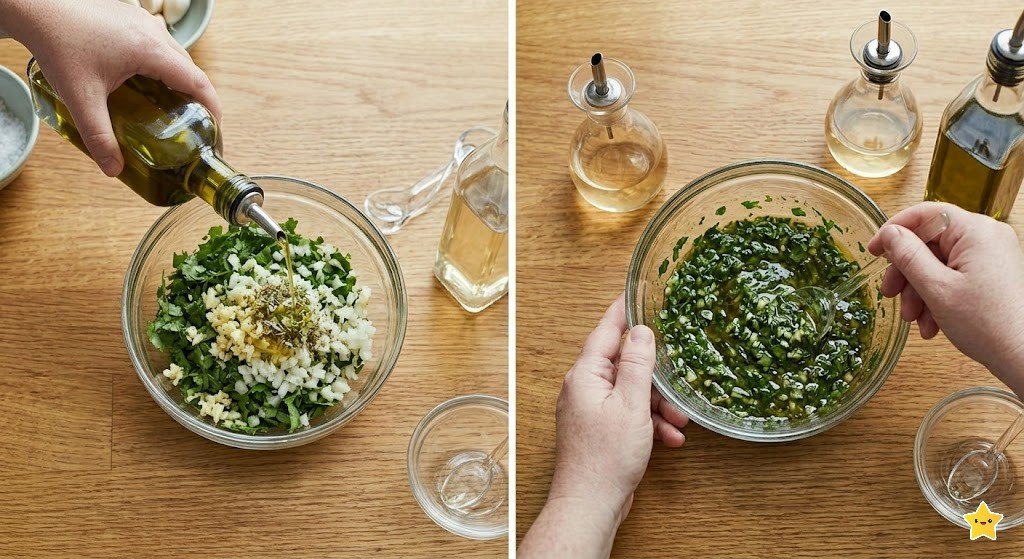
Pour in olive oil and vinegar. Mix well or pulse gently.
Step 5: Adjust Texture
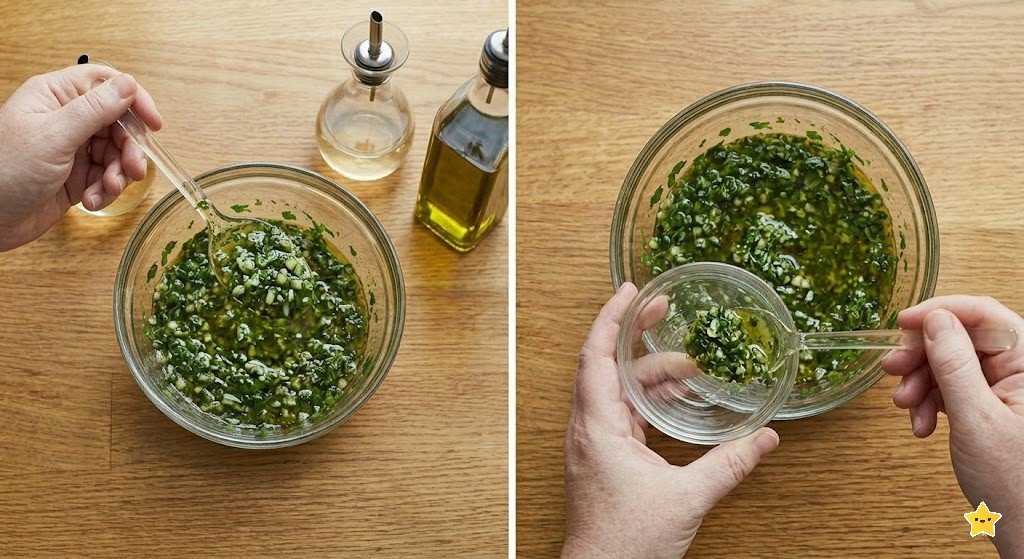
Ensure the sauce is slightly chunky, not completely smooth.
Step 6: Taste and Adjust
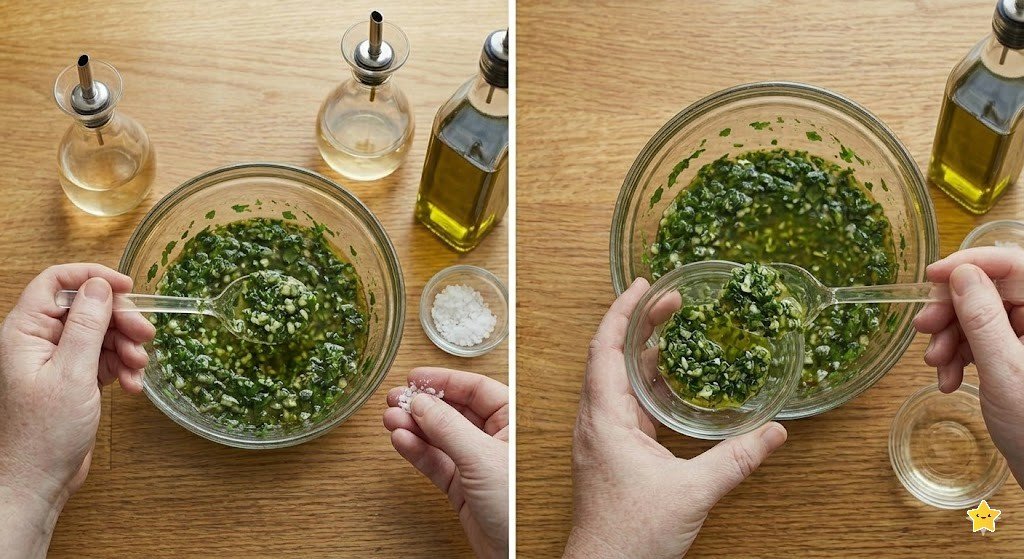
Add more salt, oil, or vinegar as needed.
Step 7: Let It Rest
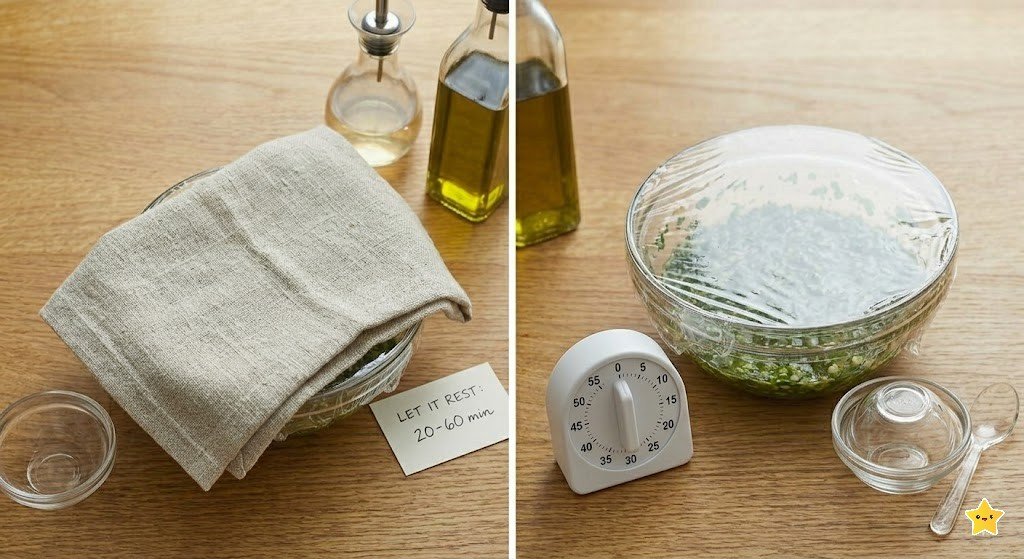
Allow the sauce to sit for at least 20–60 minutes before serving.
Hand-Chopped vs Food Processor Method
Hand-chopped method:
- Provides better texture
- More traditional approach
- Allows better control
Food processor method:
- Faster and convenient
- Produces smoother consistency
- Ideal for quick preparation
Tips for the Best Chimichurri
- Always use fresh herbs
- Let the sauce rest before serving
- Use high-quality oil
- Taste and adjust seasoning
- Keep the texture slightly coarse
Common Mistakes to Avoid
- Over-blending into a paste
- Using stale or dried herbs
- Adding too much oil
- Skipping resting time
- Not balancing flavors properly
How to Use Chimichurri Sauce
This sauce is extremely versatile and can be used in many ways:
- As a marinade for meats and vegetables
- As a finishing sauce for cooked dishes
- As a salad dressing
- As a dip for bread
- As a spread for sandwiches
What to Serve with Chimichurri
Cilantro chimichurri pairs well with:
- Grilled meats
- Roasted vegetables
- Rice and grains
- Eggs and breakfast dishes
- Seafood
Serving Ideas
Chimichurri for Steak
Enhances grilled steak with freshness.
Chimichurri for Chicken
Works as both a marinade and a topping.
Chimichurri for Fish & Seafood
Balances rich flavors of fish.
Chimichurri for Vegetables
Adds flavor to roasted or grilled veggies.
Chimichurri for Tacos & Wraps
Perfect as a topping or sauce.
Chimichurri for Eggs & Breakfast
Great with eggs and potatoes.
Variations
Cilantro and Parsley Chimichurri
Combines both herbs for balance.
Spicy Cilantro Chimichurri
Add extra chili or pepper flakes.
Brazilian-Style Chimichurri
Simpler version with fewer ingredients.
Creamy Chimichurri Variation
Mix with yogurt or mayo.
How to Store Chimichurri
Store in an airtight container in the refrigerator. Add a thin layer of oil on top to preserve freshness.
How Long Does Chimichurri Last?
- Refrigerator: Up to 1–2 weeks
- Flavor improves over time
Can You Freeze Chimichurri?
Yes, it can be frozen in small portions using ice cube trays. It lasts up to 3 months.
Nutritional Information
- Calories: 100–250 kcal
- Fat: 10–25 g
- Saturated Fat: 2–4 g
- Carbohydrates: 1–3 g
- Fiber: 0.5–2 g
- Protein: 0–1 g
- Sodium: Depends on salt used
Is Chimichurri Healthy?
This sauce is considered healthy because:
- Made from fresh herbs
- Contains healthy fats
- Low in carbohydrates
- Naturally vegan
- Rich in antioxidants
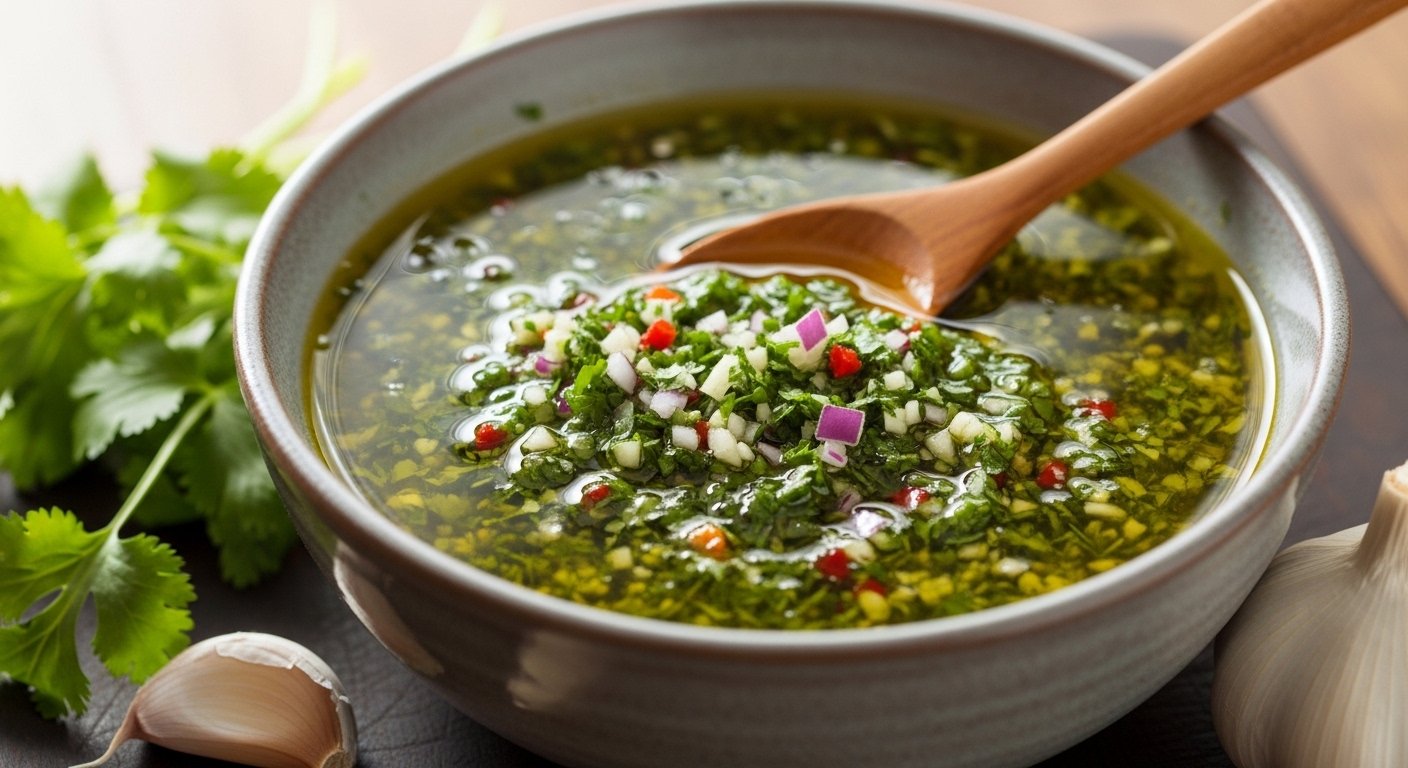
Cilantro Chimichurri Recipe
Ingredients
Equipment
Method
- Wash and dry the cilantro thoroughly. Peel the garlic and finely chop the onion or shallot.

- Finely chop the cilantro leaves and tender stems using a sharp knife.

- Mince the garlic and onion into very small pieces for even flavor distribution.

- Add chopped cilantro, garlic, onion, oregano, red pepper flakes, salt, and pepper to a bowl or food processor.

- Pour in olive oil and vinegar. Mix well or pulse gently until everything is combined but still slightly textured.
- Add more olive oil if the sauce is too thick or add more chopped herbs if it is too thin.

- Allow the chimichurri to sit for 20–30 minutes before serving so the flavors can blend properly.
Notes
- For best flavor, let the chimichurri rest for at least 30 minutes before serving.
- Store in an airtight container in the refrigerator for up to 1–2 weeks.
- Add a thin layer of olive oil on top before storing to keep it fresh.
- Can be frozen in ice cube trays for up to 3 months.
- Avoid over-blending to maintain a slightly chunky texture.
FAQs:-
What is cilantro chimichurri made of?
Cilantro chimichurri is made with fresh cilantro, garlic, olive oil, vinegar, and simple seasonings like salt, pepper, and oregano.
How long does cilantro chimichurri last in the fridge?
It typically lasts 5 to 14 days when stored in an airtight container in the refrigerator.
Can I make chimichurri without a food processor?
Yes, you can easily make it by finely chopping all ingredients by hand and mixing them.
What does cilantro chimichurri taste like?
It tastes fresh, tangy, slightly garlicky, and mildly spicy, with a bright herbal flavor.
Can I freeze cilantro chimichurri?
Yes, you can freeze it for up to 3 months, preferably in small portions like ice cube trays.
Conclusion:-
Cilantro chimichurri is a simple yet powerful addition to any kitchen. Its fresh ingredients, bold flavor, and versatility make it suitable for a wide variety of dishes. Whether you are preparing a casual meal or a special dinner, this sauce can instantly enhance your food.
With minimal effort and maximum flavor, it is a recipe worth keeping on hand. Once you make it, you will find endless ways to use it in your everyday cooking.
