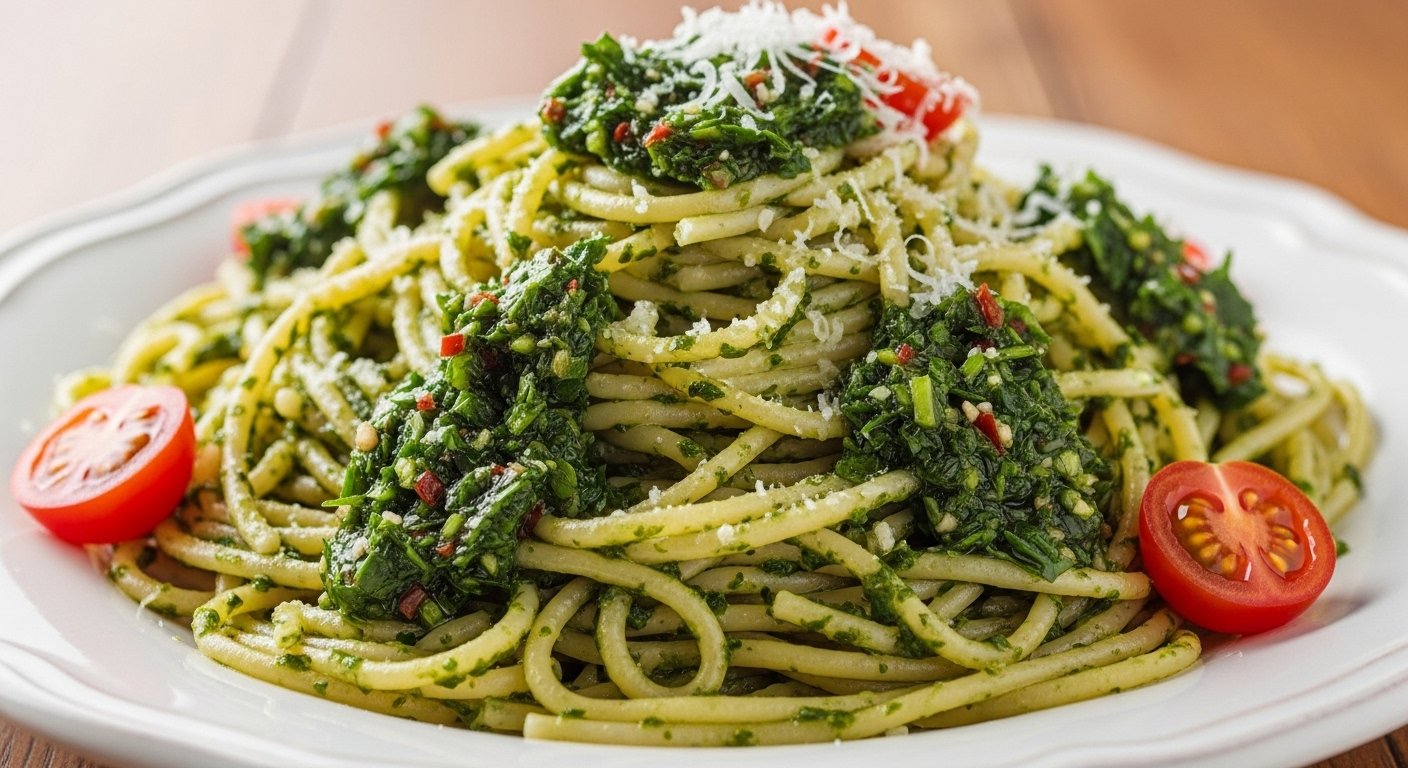
Chimichurri pasta is a vibrant, herb-packed dish that transforms a simple bowl of pasta into something fresh, bold, and exciting.
Recipe Overview
- Prep Time: 10 minutes
- Cooking Time: 15 minutes
- Total Time: 25 minutes
- Cuisine: Argentine / Italian Fusion
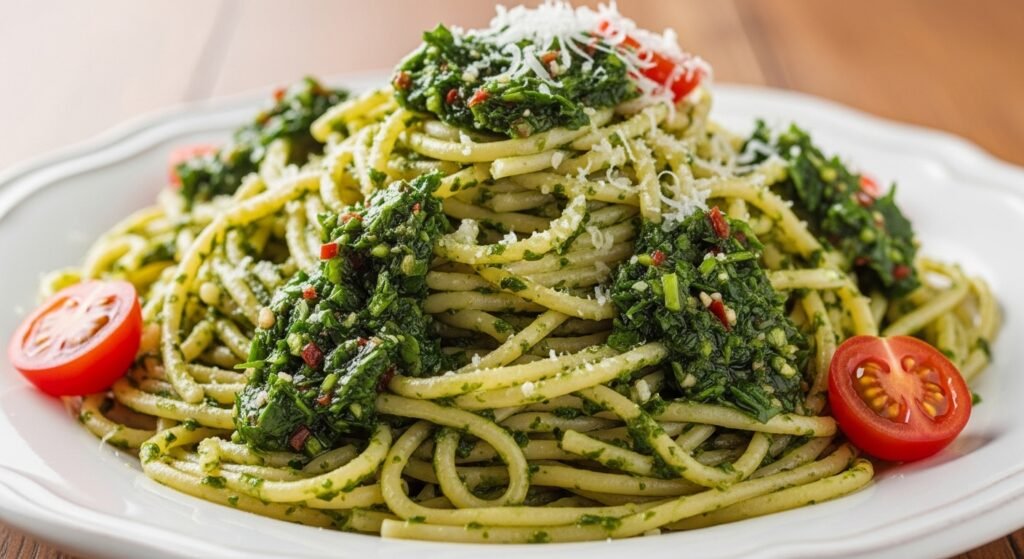
Unlike traditional pasta recipes that rely heavily on tomato-based or cream sauces, this dish uses chimichurri, a zesty, uncooked herb sauce, as its star ingredient.
The result is a lighter yet deeply flavorful meal that feels both comforting and refreshing.
This recipe is perfect for busy weeknights because it comes together quickly, often in under 30 minutes.
At the same time, it is elegant enough to serve at gatherings, cookouts, or potlucks.
Its versatility allows you to customize it with different vegetables, proteins, and pasta types, making it suitable for a wide range of dietary preferences.
What makes chimichurri pasta especially appealing is its balance of flavors.
The brightness of fresh herbs, the tanginess of citrus or vinegar, the richness of olive oil, and the subtle heat from spices all combine to create a dish that is both simple and sophisticated.
About Chimichurri Sauce
Chimichurri is a traditional sauce that originates from Argentina and is widely used across South America.
It is typically served with grilled meats, but its bold flavor makes it adaptable for many other dishes, including pasta.
The sauce is made primarily from fresh parsley, garlic, olive oil, and vinegar or citrus juice. Some variations include cilantro, oregano, or red pepper flakes for added complexity.
Unlike many sauces, chimichurri is not cooked. This preserves the freshness of the herbs and gives the sauce its signature bright green color and lively taste.
One of the defining features of chimichurri is its balance. The olive oil provides richness, the vinegar or lime juice adds acidity, and the herbs deliver freshness.
Garlic adds depth, while spices like cumin or chili flakes bring warmth and a touch of heat.
There are also variations such as red chimichurri, which includes roasted red peppers and smoked paprika, giving the sauce a deeper, slightly smoky flavor. Regardless of the version, chimichurri is known for elevating even the simplest dishes.
Ingredients
Chimichurri Sauce Ingredients
| Ingredient | Quantity | Purpose |
|---|---|---|
| Fresh parsley | 1/2 cup | Base herb, fresh and aromatic |
| Fresh cilantro | 1/2 cup | Adds brightness and complexity |
| Garlic cloves | 2–3 | Strong, savory flavor |
| Olive oil | 2–4 tbsp | Smooth texture and richness |
| Lime juice/vinegar | 2 tbsp | Tangy acidity |
| Salt | 1/2 tsp | Enhances flavor |
| Ground cumin | 1/2 tsp | Warm, earthy undertone |
| Red pepper flakes | 1/4 tsp | Mild heat |
| Water (optional) | 1–2 tbsp | Adjusts consistency |
Pasta & Add-ins
| Ingredient | Quantity | Purpose |
|---|---|---|
| Pasta | 200–250 g | Main base |
| Olive oil | 1 tbsp | Cooking vegetables |
| Onion | 1 medium | Adds sweetness |
| Zucchini | 1 medium | Light texture |
| Bell pepper | 1 | Color and crunch |
| Cherry tomatoes | 1 cup | Juicy and fresh |
| Salt & garlic powder | To taste | Seasoning |
| Optional protein | As needed | Chicken, shrimp, beans, tofu |
Equipment Needed
| Equipment | Purpose |
|---|---|
| Large pot | Boiling pasta |
| Skillet | Cooking vegetables |
| Food processor/blender | Making chimichurri sauce |
| Knife & cutting board | Chopping ingredients |
| Measuring tools | Accurate quantities |
| Colander | Draining pasta |
How to Make Chimichurri Pasta
Step 1: Boil the Pasta
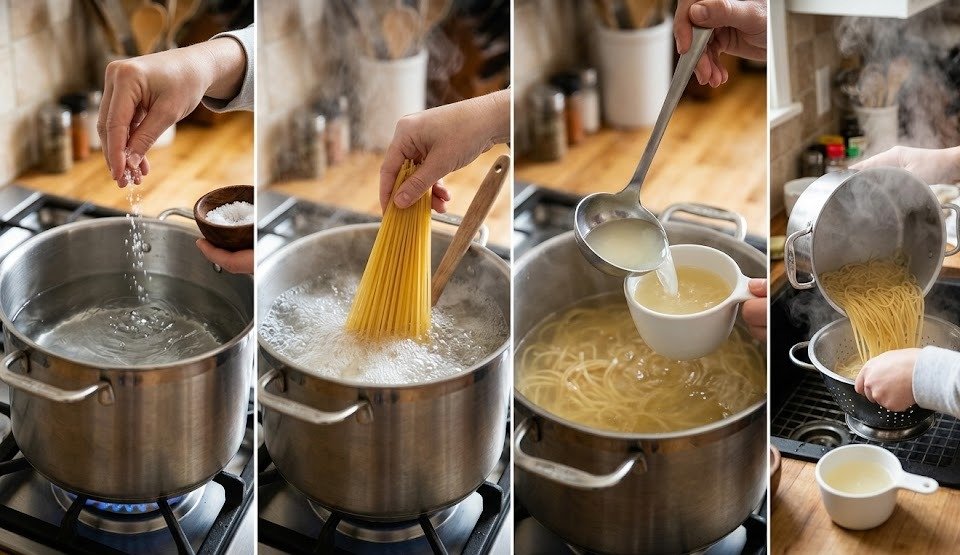
Fill a large pot with water and add a generous pinch of salt. Bring it to a rolling boil and add your pasta.
Cook according to package instructions until al dente. Before draining, reserve about half a cup of pasta water.
Step 2: Prepare the Chimichurri Sauce
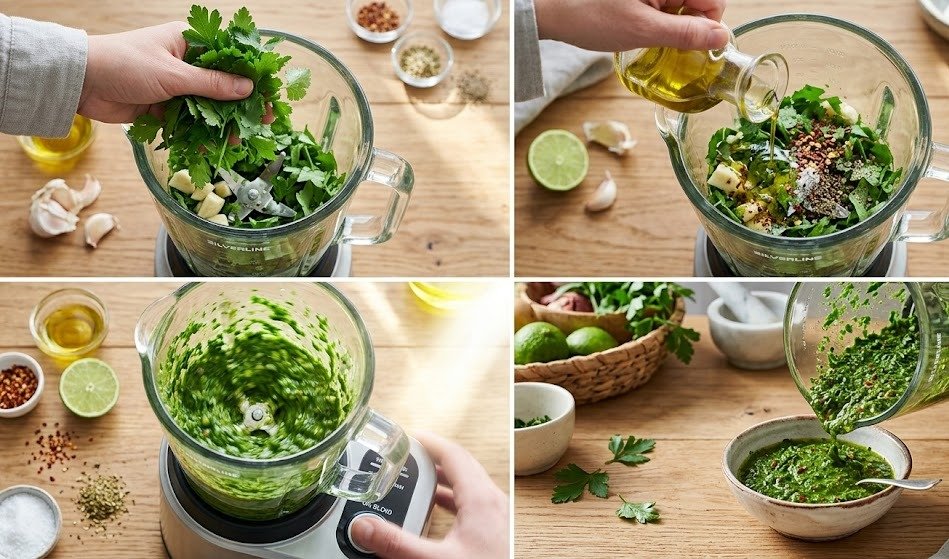
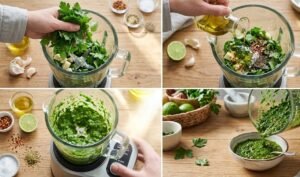
In a food processor or blender, combine parsley, cilantro, garlic, olive oil, lime juice, and spices. Blend until you achieve your desired consistency. Some prefer it smooth, while others like it slightly chunky for texture.
Step 3: Prepare the Vegetables
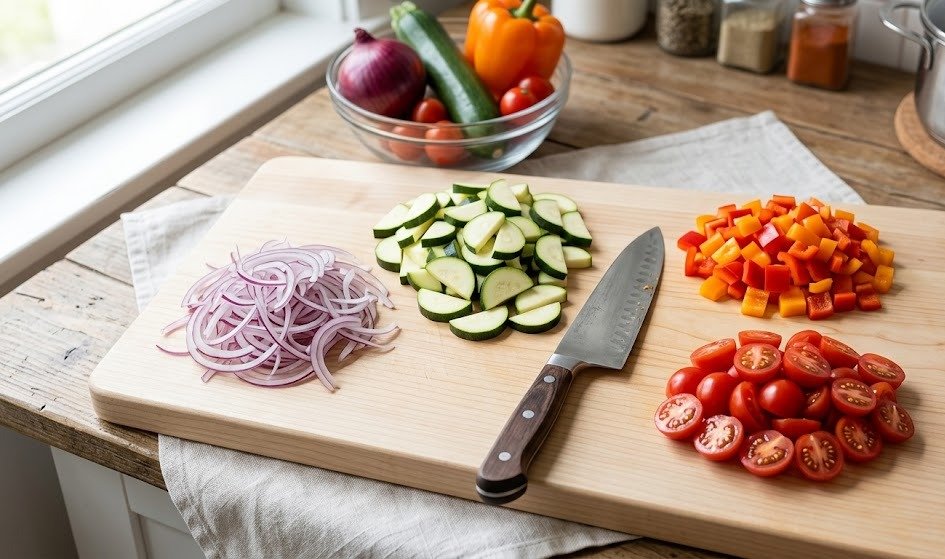
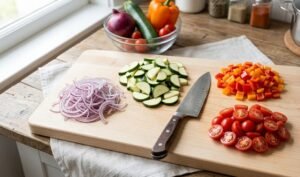
Slice the onion thinly, cut the zucchini into half-moons, dice the bell pepper, and halve the cherry tomatoes. Preparing everything beforehand ensures a smooth cooking process.
Step 4: Cook the Vegetables
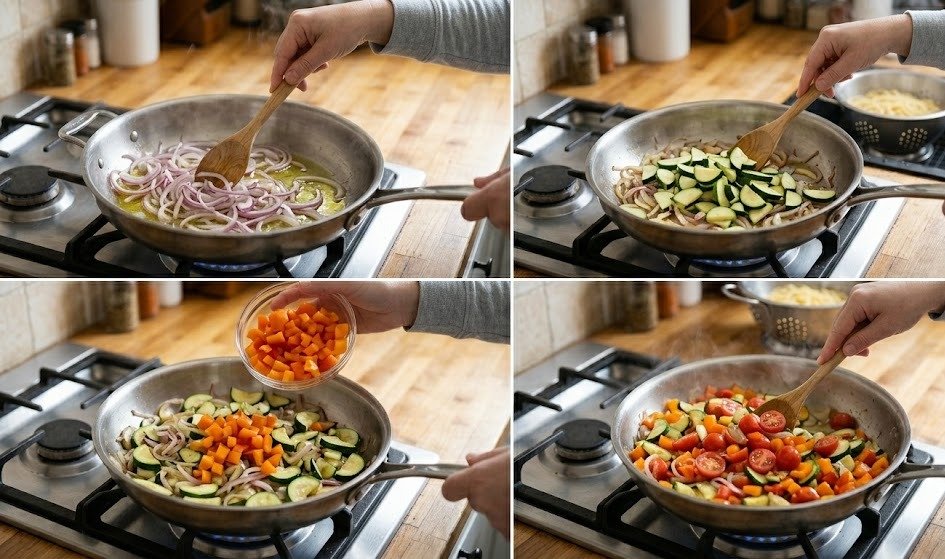
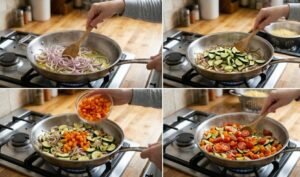
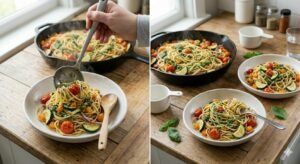
Heat olive oil in a skillet over medium heat. Add onions and sauté until slightly softened. Add zucchini and cook until tender. Then add bell peppers and tomatoes, cooking briefly to retain their texture and color.
Step 5: Combine Everything
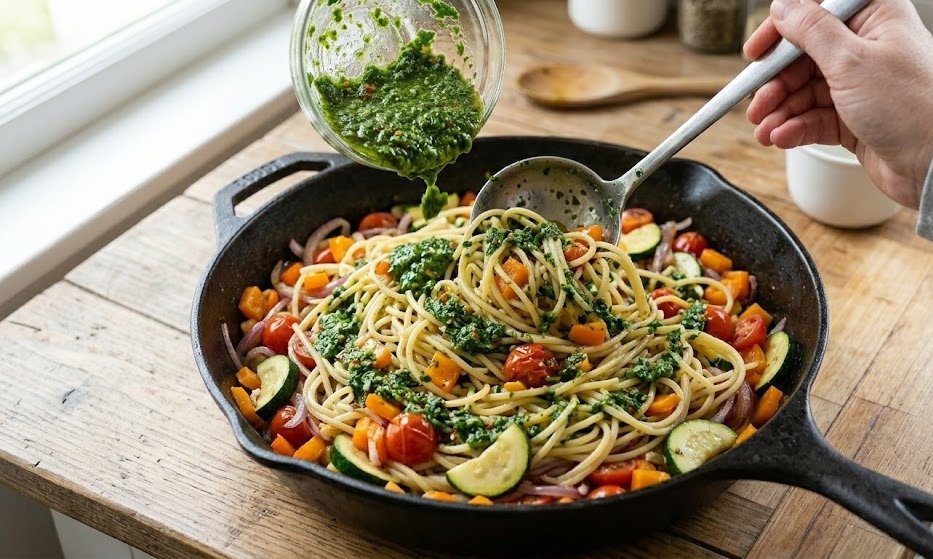
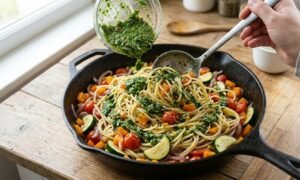
Add the cooked pasta to the skillet with the vegetables. Pour the chimichurri sauce over the mixture and toss until everything is well coated.
Step 6: Adjust the Sauce
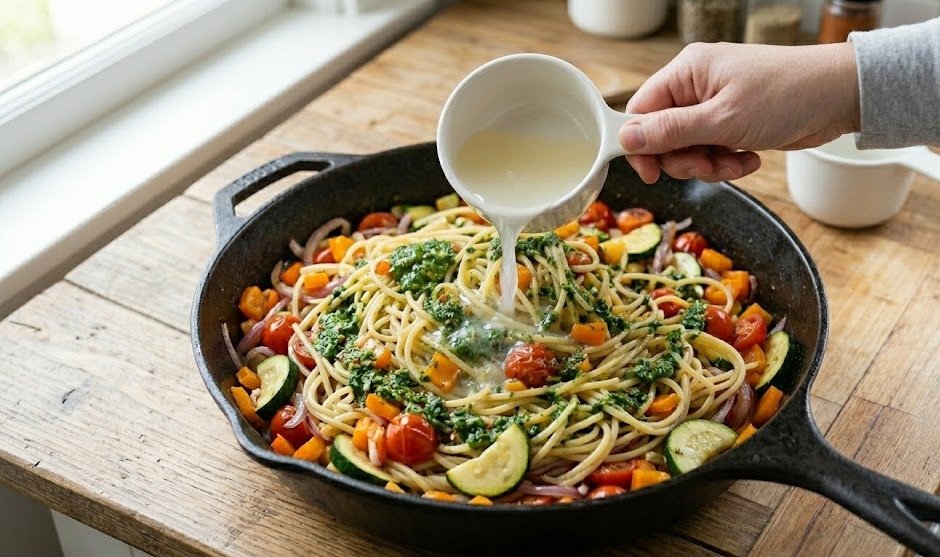
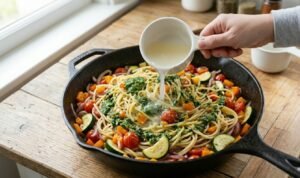
Add a few tablespoons of reserved pasta water. This helps loosen the sauce and allows it to coat the pasta evenly, creating a silky finish.
Step 7: Serve
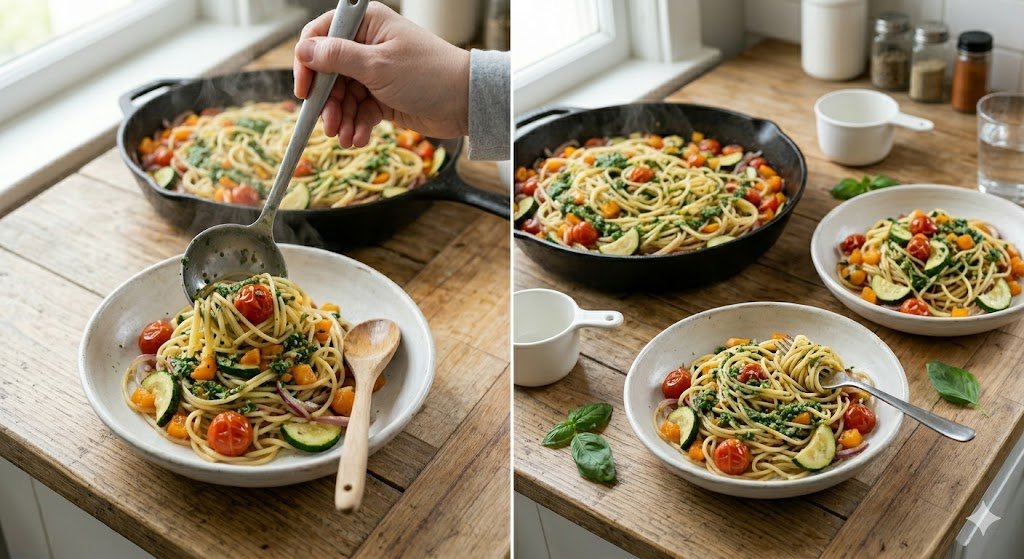
Serve immediately while warm, or allow it to cool for a refreshing pasta salad version.
Variations of Chimichurri Pasta
There are countless ways to adapt chimichurri pasta. A one-pan version reduces cleanup by cooking everything in a single skillet. Pasta salad versions are served cold and are ideal for picnics or meal prep.
For a richer dish, you can add cream or cheese. For a lighter option, use vegetable broth instead of oil in the sauce.
Protein variations include grilled chicken, shrimp, or steak, while plant-based options include tofu, chickpeas, or lentils.
Red chimichurri pasta offers a smoky twist with roasted peppers, while olive chimichurri pasta incorporates olives for a briny depth.
Tips for Best Results
Using fresh herbs is essential for achieving the authentic flavor of chimichurri. Always taste and adjust seasoning before mixing with pasta.
Do not skip reserving pasta water, as it helps bind the sauce. Avoid overcooking vegetables to maintain their texture and color.
Prepare ingredients in advance to save time, and always balance flavors by adjusting oil, acid, and salt.
Customization Ideas
You can easily customize chimichurri pasta based on your preferences. Add vegetables like mushrooms, spinach, or artichokes for variety.
For extra protein, include grilled meats or plant-based options. Add nuts or seeds for crunch, or cheese for richness.
Spice levels can be adjusted with chili flakes or fresh peppers, while the sauce can be made creamier with beans or yogurt alternatives.
Serving Suggestions
Chimichurri pasta can be served in multiple ways. It works well as a main dish or a side. Serve it hot for a comforting meal or cold as a pasta salad.
Pair it with grilled vegetables, bread, or proteins for a complete meal. It is also perfect for gatherings, as it holds up well at room temperature.
Storage & Leftovers
Store leftovers in an airtight container in the refrigerator for up to 4 days. The sauce may lose some color but remains flavorful.
Reheat gently with a splash of water or oil. Freezing is possible but not ideal for dishes with high-water vegetables.
Substitutions & Alternatives
Parsley can replace cilantro if desired. Olive oil can be swapped with avocado oil. Lime juice can be replaced with vinegar.
Pasta can be substituted with rice or vegetable noodles. This recipe can easily be adapted for gluten-free or vegan diets.
Nutrition & Health Information
- Calories: 300–400 per serving
- Protein: 10–20 grams
- Carbohydrates: 40–50 grams
- Fat: 10–15 grams
- Fiber: 5–10 grams
- Rich in antioxidants
- High in vitamins A and C
- Supports a balanced diet
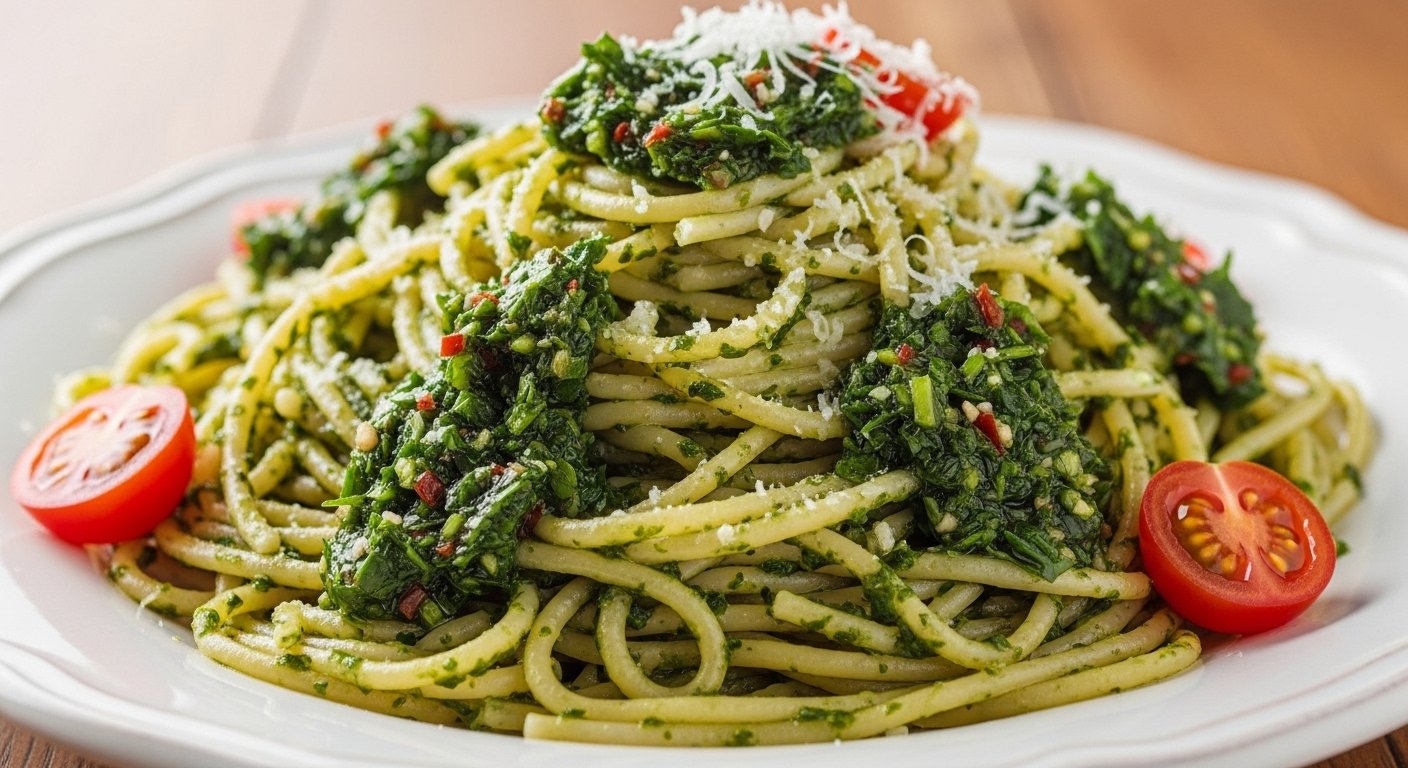
Chimichurri Pasta Recipe
Ingredients
Equipment
Method
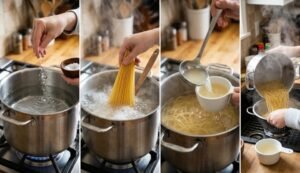
- Bring a large pot of salted water to a boil and cook the pasta according to the package instructions until al dente. Before draining, reserve about 1/2 cup of the pasta water.
- Prepare the chimichurri sauce by blending parsley, cilantro, garlic, olive oil, lime juice, salt, cumin, and red pepper flakes in a blender or food processor until smooth or slightly chunky. Add a little water if needed.
- Slice the onion, zucchini, and bell pepper, and cut the cherry tomatoes in half.
- Heat olive oil in a skillet over medium heat. Add the onions and cook for 2–3 minutes, then add zucchini and cook for 5–7 minutes. Finally, add bell pepper and tomatoes and cook for another 2–3 minutes.
- Add the cooked pasta to the skillet with the vegetables. Pour the chimichurri sauce over it and mix well.
- Add 2–3 tablespoons of reserved pasta water and toss everything until the sauce coats the pasta evenly.
- Serve hot, at room temperature, or chilled as a pasta salad.
Notes
- You can use store-bought chimichurri sauce to save time.
- Add grilled chicken, shrimp, or tofu for extra protein.
- This pasta can be served hot or cold, making it perfect for meal prep or potlucks.
- Reserve pasta water to help the sauce stick better.
- Store leftovers in the fridge for up to 3–4 days.
FAQs:-
Can you use chimichurri sauce on pasta?
Yes, chimichurri works great as a pasta sauce. It coats the pasta well and adds a fresh, herby flavor without needing to cook the sauce.
What pasta is best for chimichurri?
Short pasta like penne, fusilli, or rigatoni works best because it holds the sauce better. Long pasta like spaghetti can also be used.
Can chimichurri pasta be eaten cold?
Yes, it can be served cold as a pasta salad or warm as a main dish. Both ways taste delicious.
How long does chimichurri pasta last in the fridge?
It stays fresh for about 3–4 days when stored in an airtight container in the refrigerator.
Is chimichurri pasta healthy?
Yes, it can be healthy. It uses fresh herbs, olive oil, and vegetables, and can be made vegan, gluten-free, or high-protein based on ingredients.
Conclusion
Chimichurri pasta is a simple yet flavorful dish that brings a fresh perspective to traditional pasta meals. Its vibrant ingredients, ease of preparation, and adaptability make it suitable for any occasion.
Whether you enjoy it as a quick dinner, a meal-prep option, or a dish for entertaining, chimichurri pasta delivers bold flavor with minimal effort. By experimenting with variations and ingredients, you can make this dish uniquely your own while enjoying its bright and satisfying taste.
